The Challenge
Traditional public health education relies on lectures and static case studies that fail to capture the urgency, complexity, and ethical tensions of real epidemic response. Graduate learners need experiential opportunities to practice systems thinking, make high-stakes decisions under pressure, and navigate the intersection of science, politics, and ethics — all before facing actual crises.
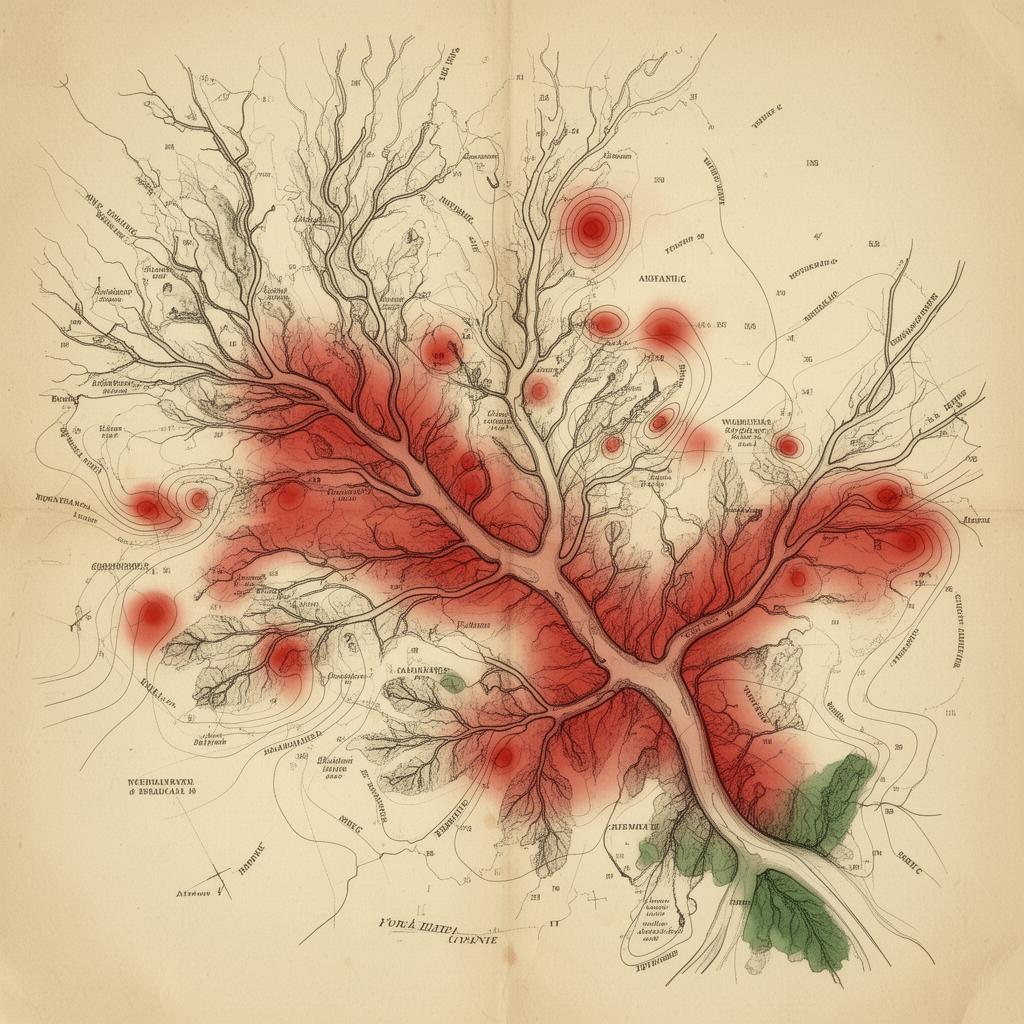
The Delta River scenario is a fast-moving zoonotic spillover in a dense logistics hub. We needed to model not just the pathogen, but the cascading failures of infrastructure and the fragility of public cooperation.
Design Rationale
01. Mission-Based Framework
Framing the experience as “Operation Contain” with learners as senior advisors created immediate purpose and accountability. The mission structure transformed abstract concepts into urgent, meaningful work where decisions have visible consequences for fictional populations and communities.
02. Real-Time Decision-Making
The simulation unfolds in compressed real-time, requiring learners to act on roughly 70% certainty — just as they would in actual crisis response. This pressure tests their ability to prioritize, collaborate with global partners, and adapt strategies as the outbreak evolves.
03. Ethical & Systems Complexity
Rather than presenting clean scenarios with obvious solutions, Operation Contain embeds ethical dilemmas within political, social, and environmental constraints. Shutting the port protects neighboring provinces but triggers immediate local food insecurity. The simulation tracks those cross-system impacts honestly.
Tags